
Introduction
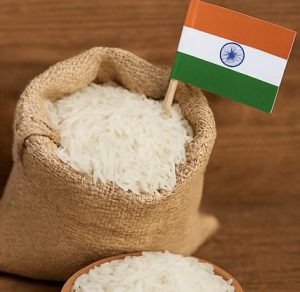
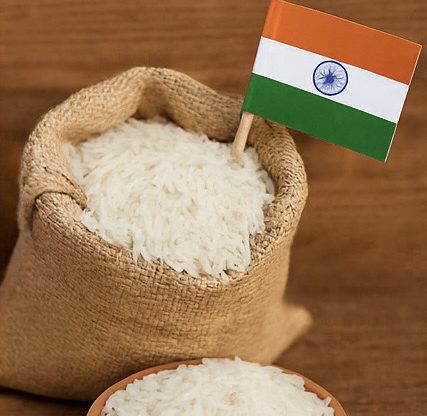
Indian rice, especially Basmati and non-Basmati varieties, plays a significant role in Iran’s rice import market. Due to its competitive pricing, high availability, and variety, it has secured a prominent position in the household and industrial consumer sectors.
⸻
1. Market Share and Import Statistics
• In 2023, Iran imported approximately $734 million worth of rice from India, representing a major share of its total rice imports.
• From October 2023 to September 2024, Iran received 537 shipments of Basmati rice from India—a 56% decrease compared to the previous period. Despite this, India remains the sole source of Basmati rice imports.
• According to available data, about 84% of Iran’s total rice imports from October 2023 to September 2024 were from India, followed by Turkey (15%) and Vietnam (1%).
⸻
2. Popular Varieties: Basmati and Non-Basmati
• Basmati: A fragrant and high-quality rice variety that dominates exports to Iran. It is preferred for premium meals and formal gatherings. Although exports have grown significantly, Pakistan has emerged as a strong competitor by offering lower prices.
• Non-Basmati: More economical rice types suitable for daily use, particularly in traditional home-style cooking.
⸻
3. Advantages of Importing Indian Rice
• Competitive Pricing: Mass production and lower cultivation/export costs in India make Indian rice more affordable compared to Iranian or other international options.
• Product Variety: From premium Basmati to economical non-Basmati, a wide range of products are available to meet diverse market needs.
• Stable Supply: Despite fluctuations, India remains the largest exporter of rice to Iran, even amid reduced monthly orders.
⸻
4. Key Challenges Ahead
• Currency Exchange Volatility: The weakening of the Rial increases the final cost of imports, which can reduce demand or delay purchase decisions.
• Insurance & Logistics: Some reports indicate that insurance companies may be cautious about covering political or sanction-related risks in the Iran–India corridor.
• Pakistani Competition: Pakistan’s lower base pricing could impact India’s share in the Iranian rice market.
⸻
5. Key Recommendations for Importers
Topic Recommended Approach
Product Selection Use Basmati for premium markets and non-Basmati for general use
Currency Strategy Fix exchange rates in contracts or use hedging tools
Insurance Security Verify full coverage for political and banking risks before purchasing
Supplier Diversity Consider trial orders from Turkey and Vietnam as alternatives
⸻
Conclusion
Importing Indian rice remains an attractive solution for Iran’s domestic market. However, currency fluctuations, insurance issues, and regional competition pose notable risks. It is recommended to:
• Combine both Basmati and non-Basmati rice in procurement strategies,
• Sign contracts with comprehensive insurance coverage,
• Utilize financial tools to manage exchange rate volatility.